
Making the Electric Revolution Work for Canada
Posted March 5, 2026, updated July 13, 2026
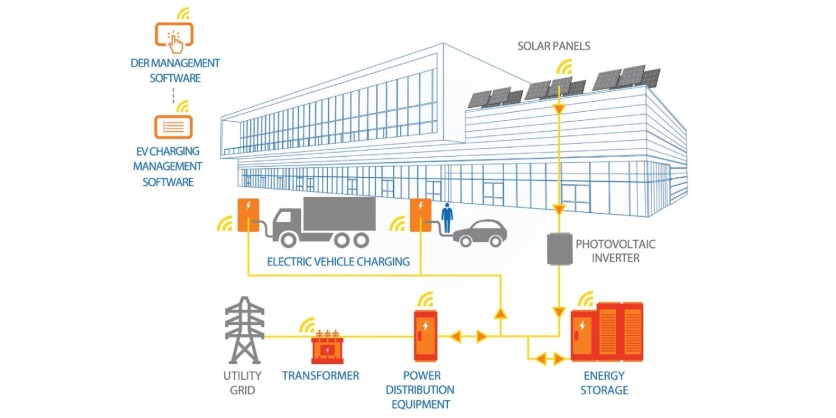
Intelligent power management company Eaton is building EV charging infrastructure to become more sustainable, support more resilient energy systems and enable more cost-effective charging
Achieving Canada’s net-zero goals hinges on electrification. More and more, our uses of energy will be electric, and how we use and generate electricity will change – at work, at home and everywhere. That means we need vast investments to revitalize our energy infrastructure today so we can meet our goals tomorrow and into the future.
Today, transportation accounts for 25 per cent of total greenhouse emissions in Canada. By 2035, the goal is for all passenger vehicles sold in Canada to be zero emissions and largely electric. Even sooner, the federal fleet plan is to fully adopt zero-emission vehicles (ZEV). How will we power them all?
Ensuring power is there when we need it
Fast-tracking electric vehicle (EV) adoption requires massive infrastructure investments. Driving an EV requires a foundational change in how we think about mobility and how we ensure power is ready when we need it. That means we need broad access to EV charging stations, especially wherever Canadians live, work and play.
In the same way that adding more highway lanes doesn’t solve traffic congestion in fast-growing areas, solving this challenge isn’t as simple as installing more chargers. Major building and electric grid infrastructure modernization is a must to reach our sustainability goals. At Eaton, they’re helping build out the infrastructure needed to make electric transportation easier and that requires both charging stations and the power backbone to make the electric revolution work – quickly, sustainably and affordably.
The transformation of transportation
So far, EV infrastructure investments in Canada have largely focused on adding charging stations, with about 85,000 currently in place and more to be deployed in the next five years. While these investments are important, they’re not enough. When it comes to EV charging infrastructure investments, Canada lags the global average, according to the Global Diffusion of Electric Vehicles Report by the World Bank Group published in December 2021.
Existing energy infrastructure is insufficient to support the electrical and charging capacity required to handle the demand to come. We need more investment in the energy systems that will need to be updated, upgraded and expanded to deliver fast, reliable and sustainable charging.
Most charging will take place where people park their cars – at home, at work or on the go. That will create a significant impact to both buildings and the grid. Our energy infrastructure will need to be flexible to enable intermittent and high electricity demand spikes. We need to plan now so our energy systems are ready.
Additionally, electrifying transport will no doubt require more electricity, but no one wants to pay a premium on their electrical bill. This means that innovative solutions to manage power consumption and energy costs will be important.
How renewable energy and storage fits in
Renewables and energy storage will also play a critical role, expanding energy capacity for the grid and buildings. Renewables increase available power and storage helps boost charging power without infrastructure upgrades – allowing more chargers to be installed and activated much faster.
Further, intelligent power management will enable faster, more cost-effective, and sustainable charging – whether you’re charging one car or a fleet. Through energy insights and controls, we can stretch existing infrastructure to deliver the power needed to charge our vehicles. That includes additional charging stations, integrating renewables such as solar, and leveraging battery storage to pick up energy loads during peak demand – when electricity costs are the highest.
This level of smart charging will enable additional flexibility and energy optimization, ultimately driving scalability as emission-free vehicle adoption accelerates. With charging infrastructure that provides real-time insights, you can optimize when you charge your vehicle and take part in smart grid programs –helping to reduce energy bills and max out solar and storge capacity onsite. With smart charging solutions, you can throttle the rate of charge and avoid higher costs during peak rate periods
Smart investments and planning will pay off
Reducing our reliance on fossil fuels, increasing renewable energy sources and supporting the future of electrification will help realize Canada’s net-zero goals. The technology to make it happen already exists. The economics of going electric make sense, especially as gas prices have increased. Canadians should be confident they’ll have access to charging infrastructure, no matter where they are plugging in. Already, more than 150,000 individuals and Canadian businesses have purchased electrical vehicles and that’s reduced 519,000 tonnes of greenhouse gases, which is equivalent to the 6.2 million tonnes over the vehicles’ lifetime, or more than 8.5 million tree seedlings grown for a decade.
While some infrastructure investments are happening, more are needed, so that all Canadians can confidently locate fast, reliable charging – supported by a resilient, flexible and modernized electrical backbone.
The plan to harness bi-directional power
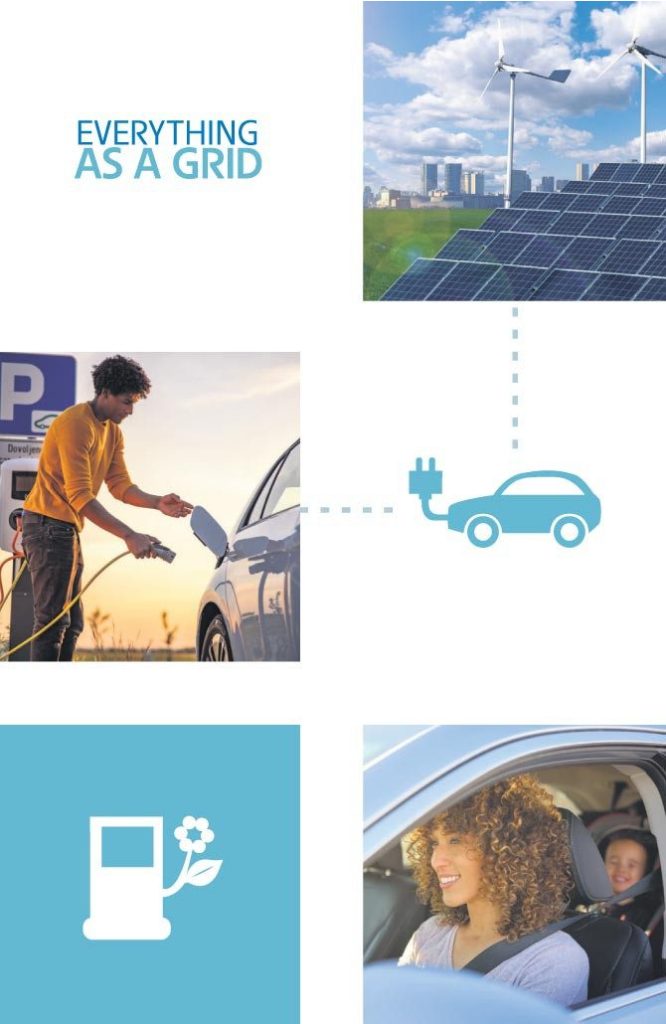
This is only the tip of the iceberg. At Eaton, they envision a future where your vehicle can become a power source capable of balancing the grid or supporting your home energy needs through utility outages. This is their ‘Everything as a Grid’ approach in action – harnessing the potential of bi-directional power. And the vehicles and infrastructure that can enable bi-directional charging are on their way.
Before we get there, Eaton is working to help transform Canadian infrastructure to support the future of EV charger deployment, both large and small, as a gateway to realizing the full functionality of electrification. We must all take this important step toward a low-carbon, sustainable future.
What matters:
Accelerating EV charging infrastructure for a better future.
As electric vehicles become more prevalent on Canadian roads, Eaton is looking ahead to a low-carbon future by preparing for it today. That means helping companies and communities build a robust and accessible EV infrastructure for everyone to tap into, and making sure it doesn’t overload the grid. They’re enabling a more efficient tomorrow by helping to optimize EV charging and increase electrical capacity – and doing it all safely.
More Information
Discover how Eaton is helping communities across the globe by fueling the electric revolution.
EatonCanada.ca/EnergyTransition