
Your Go-To EV Charging 101 Guide
July 6, 2026
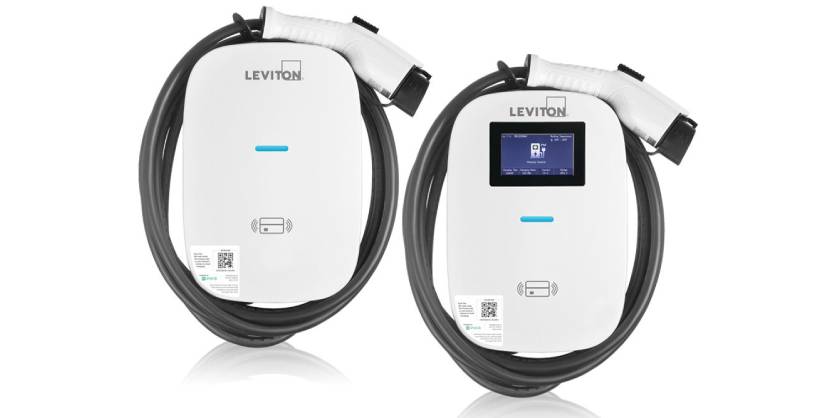
Keeping your electric vehicle (EV) charged should be simple, not a puzzle of technical terms and installation challenges. Whether you are wondering about incentives, trying to figure out which charger suits your vehicle, or questioning how it will affect your electricity bill, this guide has the answers. From essential setup tips to troubleshooting and optimization, Leviton walks you through everything you need to know. With the right setup and a little know-how, charging your EV can be effortless. They explore everything you need to make it happen.
Rebates/Incentives
There are different rebates and incentives that EV owners can take advantage of, but they vary depending on where you are located. To view these incentives and rebates, visit EV Rebates and Incentives.
Installation Codes and Requirements
There are specific codes that must be followed when installing EV chargers. Depending on your location, there may be EV-Ready Building Codes in place. These codes require the building’s infrastructure to be designed ready to install EVSE, including electrical wiring, panels, and conduit.

Amperage and Charge Time
The EV Series is for use with any SAE J1772™ compatible electric vehicle including Audi, BMW, Ford, Honda, Subaru, and even Tesla using the Leviton NACS Adapter (Part Number: NACSA). To find which charger you’re installing, you should look at the product label on the side of each unit. There are several types of electric vehicles, and depending on the type of charger being used, the faster or slower the vehicle will charge.
To view the EVSE Charge Time Comparison chart, please click this link EVSE Charge Time Comparison Q-1159E.pdf. In terms of other electrical products that are necessary for installation, depending on your application and location, there will be other electrical devices to complete the total EV infrastructure. This includes Leviton surge protective devices, submetering solutions, safety disconnect switches, and more.
Being EV-Ready can save tons of time and money rather than retrofitting. Also related to the safety aspect, there are important safety features that you should consider before selecting a Level 2 EV Charging Station.
The first aspect to consider is to pick an EV Charging Station with the latest industry standards including meeting Underwriter’s Laboratory and National Electric Code Requirements. The second aspect is to make sure the manufacturer provides additional safety features such as ground monitoring circuitry and over temperature protection. In terms of how much output that your station provides, see below for each type of charger.
- EV320 and EV32W – 7.6 kW
- EV40P – 9.6kW
- EV480 and EV48W – 11.6 kW
- EV800 and EV80W – 19.2kW
Why Choose Level 2 Over Level 1?
It is important to understand why many customers prefer the Level 2 EV Charging Station over the Level 1 EV Charging Station. Level 2 charging reduces the charge time by up to five times compared to the Level 1 charging. Many customers want a Level 2 charger because it delivers safe, reliable, and secure power for electric vehicles. Additionally, Level 2 charging provides the benefit of “topping off” the electric battery in a relatively short period of time. If you’re unsure on which charger is for you, please refer to this link: EV Selector.
The Cost of Electric Vehicle Charging
Many customers automatically think that their electric bill is going to skyrocket when getting an EV charger for their vehicle, but this isn’t the case if you calculate it. To estimate your cost of charging at home, multiply your vehicle’s kWh/100 miles figure by the electric rate for the time of day you’ll most often be charging. That figure will tell you the cost per 100 miles and depending on the time of day you are charging your vehicle, the price will fluctuate.
Tesla’s are more specific in that while the popular Tesla Superchargers in public spaces can ONLY charge Tesla vehicles, you can charge your Tesla virtually anywhere, including Leviton stations. The EVs and EV charging stations meet specific safety ratings and are designed to avoid water intrusion, so you can charge your EV when it is raining. Electric current will not flow through the charging cable to the EV until a proper connection has been made.
To optimize your charging stations, if you’re using Leviton’s public charging stations you have the option to charge drivers to use your station. You can also monitor energy usage and generate reports. In terms of unplugging the charger, there are car settings that prohibit your car from being unplugged if it’s still charging. You can also set it so that others can freely unplug the charger if you’ve reached a full charge or whatever designated charge you have for your car.
Navigating the world of EV charging can feel overwhelming, but with the right knowledge, selecting, installing, and optimizing your charging station becomes much easier. From understanding the rebates and incentives to choosing the right charger for your vehicle, every detail plays a role in ensuring a seamless charging experience. As EV adoption grows and infrastructure expands, having a reliable charging setup will enhance convenience and keep you powered on the go.
More Information
For more information on EV Charging, visit EV Chargers | Level 2 EV Chargers | EV Charging Stations.
Related Story
Leviton Celebrates 120 Years of Innovation
Leviton, a leading manufacturer of electrical, lighting, data network and energy management solutions that light, power and connect everyday spaces, is celebrating the 120th anniversary of its founding this year.
Established in 1906, Leviton began as a small tinsmithing business founded by Isidor Leviton, where he produced mantle tips used for gas lighting. Since those humble beginnings, Leviton has grown from a single-product manufacturer into a global leader delivering comprehensive solutions across electrical wiring devices, lighting and controls, data networking and energy management. Today, Leviton products are found in homes, commercial spaces such as offices and healthcare facilities, data centers, schools, industrial environments and more – supporting safe, reliable, and increasingly connected spaces.