
The Difference Between Level 1 & 2 EV Chargers by Ledvance
April 15, 2026
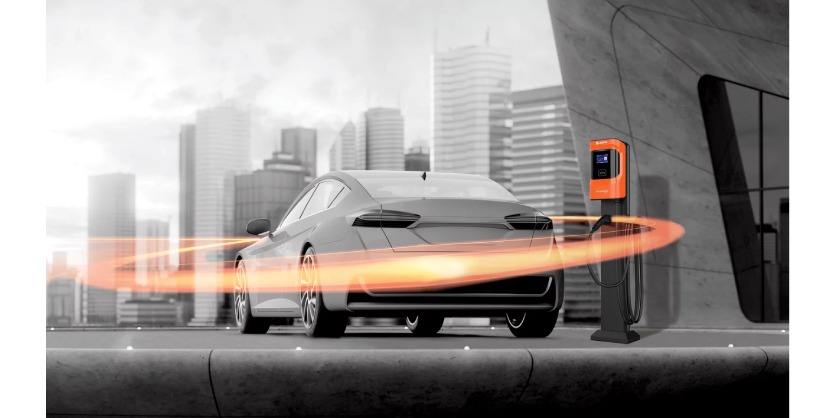
As the demand for electric vehicles (EVs) continues to rise, it becomes essential for prospective EV owners to understand the different charging options available. One of the key distinctions in EV charging is between Level 1 and Level 2 chargers, which play a crucial role in determining the convenience and speed of charging electric vehicles. In this article, Ledvance will explore the difference between Level 1 and Level 2 EV chargers, including their functionalities, pros and cons, and typical charging times. Thus enabling you to make an informed decision when it comes to charging your EV.
What is a Level 1 EV Charger?
Level 1 EV chargers are the standard and basic charging options for electric vehicles. They are usually included with the purchase of an EV and can be plugged into a standard household electrical outlet. Level 1 chargers convert AC power from an outlet to DC power to charge an electric vehicle’s battery. While they’re convenient and cost-effective, they only provide about 2-5 miles of range per hour of charge and are good for overnight charging or when fast charging isn’t required. Level 1 chargers are therefore suitable for those who have easy access to a standard household electrical outlet and have relatively low daily driving needs.
What are Level 2 EV Chargers?
Level 2 EV chargers offer faster charging compared to Level 1 chargers. They require professional installation and a dedicated circuit. A Level 2 charger converts AC power to DC and provides a higher power output, typically in the range of 3.3 to 19.2 kilowatts. With faster charging speeds, a Level 2 charger can provide approximately 10-30 miles of range per hour. They are typically installed in residential, commercial and public locations to provide faster charging options for individuals with higher charging needs or longer daily commutes. Therefore, Level 2 chargers are ideal for people who need faster charging, have a longer daily commute, or need to charge their vehicle more frequently.
Level 1 Charger | Level 2 Charger | |
|---|---|---|
| Charging Speed | Slow (2-5 miles/hour) | Fast (10-30 miles/hour) |
| Installation | Plug into standard outlet | Professional installation required with a dedicated electrical circuit |
| Costs | Typically included with EV purchase, no additional cost | Charger and installation costs required |
| Ideal Usage Scenarios | Overnight charging, lower daily driving needs | Higher charging needs, longer commutes, faster charging times |
This chart provides a concise visual comparison of the main factors to consider when choosing between Level 1 and Level 2 EV chargers. Remember to assess your specific needs and usage patterns to determine the most suitable charger for your electric vehicle.
LEDVANCE PHASE EV™ Commercial Charger
Ledvance brand is proud to present the LEDVANCE PHASE EV™ Commercial Charger, a cutting-edge Level 2 charging solution designed for commercial applications. Has the following characteristics:
Fast Charging: The LEDVANCE PHASE EV Commercial Charger provides fast charging capabilities, allowing electric vehicles to be charged efficiently and quickly. With its high power output, it significantly shortens the charging time, providing maximum convenience for commercial EV owners.
Commercial focus: Tailor-made for commercial use, Ledvance chargers meet the unique charging needs of businesses, fleet operators, and public charging stations. It provides a reliable and efficient charging solution for a wide range of commercial electric vehicle applications.
California Rating: LEDVANCE PHASE EV commercial chargers have ENERGY STAR® and CTEP (Clean Transportation Equity Program) ratings and meet the strict regulatory standards required by California. It ensures compliance with the country’s environmental regulations and demonstrates Ledvance’s commitment to sustainable transport solutions.
Certified Hardware: Ledvance prioritizes durability and safety in their charger design. The LEDVANCE PHASE EV commercial charger has a rugged and weather-resistant hardware enclosure certified for outdoor and indoor installation requirements. It provides reliable performance even under challenging environmental conditions.
Advanced Connectivity: Ledvance chargers are equipped with advanced connectivity options including 4G, Ethernet, and WiFi. These connectivity features enable remote monitoring, real-time data management, and seamless integration with charging management systems. They enable businesses to efficiently manage their charging infrastructure and ensure optimal charging operations.
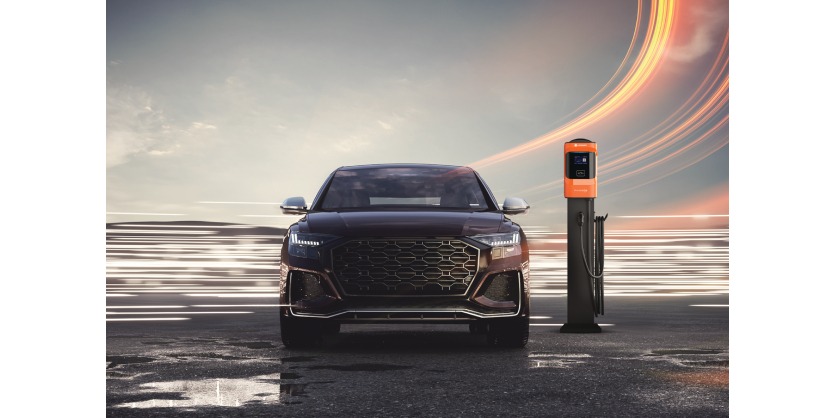
In addition to thier LEDVANCE PHASE EV™ commercial chargers, they also offer the AmpUp software service. The software is loaded with essential property management features including revenue collection, user management, real-time analytics, 24/7 customer support, multi-site management, electrical load management, and time-of-use pricing. With AmpUp, property managers can efficiently manage their charging infrastructure, optimize revenue generation, and provide a seamless experience to their users.
Choose LEDVANCE PHASE EV™ commercial chargers to enhance your commercial charging infrastructure and provide your customers, employees, and fleet operators with a superior charging experience.