
EV Adoption Continues to Accelerate – Schneider Charge Makes Home Charging Easier
September 18, 2026
By Krystie Johnston
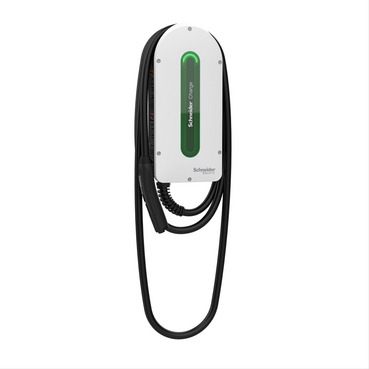
Schneider Electric Canada recently launched Schneider Charge, a residential Level 2 electric vehicle (EV) charger designed to make home charging easier. It features SmartAmp dynamic load management, which means charging output automatically adjusts to a home’s electrical capacity. Given this simplicity, this feature can help homeowners add a Level 2 charger without the cost and complexity of an electrical panel or service upgrade, making EV ownership more accessible than ever.
Navigating the electrical transition in Canada
David O’Reilly is Vice President of Secure Power and Home & Distribution Business at Schneider Electric Canada, where he leads teams focused on delivering energy-management products and solutions for homes and critical power applications across Canada. A key part of O’Reilly’s work is helping Canadians navigate the electrical transition. In this article, he shares his insights into how they do this at Schneider, and where Schneider Charge fits in with this mission.
“As homes add electrical vehicles, heat pumps, connected technologies, and other electrical loads, we are focused on making energy use safer, reliable, and more efficient,” O’Reilly says. “Schneider Charge is a good example of that approach. It is not only about charging an EV. It is about helping the charger work intelligently with the home’s broader electrical system. In many homes, Schneider Charge can help avoid the need for a panel or electrical service upgrade.” That said, he emphasizes that every home is different, and the final installation requirements should always be determined by a qualified professional.
Watch this minute-and-a-half video to see the highlights of Schneider Charge
Making energy use safer, reliable, and more efficient are big drivers behind the new Schneider Charge. O’Reilly explains that its SmartAmp feature enables dynamic load management, which monitors the home’s electrical demand in real time and adjusts EV charging output based on the capacity available. “For example, if several high-demand appliances are operating, SmartAmp can temporarily reduce the charging output. As household demand falls, it can increase charging output again.”
SmartAmp allows the charger to always make intelligent use of the home’s available electrical capacity rather than drawing at maximum power. And, depending on the home’s configuration and electrical requirements, this can help many homeowners avoid an upgrade. O’Reilly says this is the case for many homes – but not all. When considering making changes like installing an EV charger at home, an upfront assessment is important. “An upgrade may still be required if the existing equipment is outdated or unsuitable, if the service has limited capacity, or if there are other electrical issues that need to be address.”
Wise advice to consider when making the switch to electric
Canada’s transition to electric mobility continues to progress for several reasons. A growing range and electric vehicle choices for one and renewed federal incentives designed to make eligible EVs more affordable for another. O’Reilly says that as more Canadians consider making the switch to electric, they need to look beyond the vehicle itself and ensure that homes are ready to support confident and reliable charging.
“As EV adoption grows, charging is becoming part of the broader conversation about home electrical readiness. Homeowners are adding new electrical loads, including E chargers, heat pumps., induction cooking, and other connected technologies, so it is important to understand how these additions work together,” he says. Before installing an EV charger, homeowners should consider the capacity and condition of the electrical system, the charger location, the distance from the panel, the vehicle’s connector and onboard charging capability. And their typical daily driving needs.
O’Reilly says that a licensed electrical contractor should also assess the home’s electrical service, panel condition, and available capacity to determine the appropriate installation approach. And adds that, in Ontario, the installation must comply with applicable electrical safety requirements and local codes. “Schneider Charge can deliver up to 11.5 kW or 48 amps, although the actual charging output will depend on the vehicle, installation, and available household capacity.” He adds, “The app also allows homeowners to schedule charging during preferred times, which may help reduce costs where lower off-peak electricity rates are available.”
Myths and facts about going electric
Knowledge is power, and having the right information is critical when it comes to making the switch to electric. O’Reilly says that one misconception is that every Level 2 installation requires a panel or service upgrade. But the reality is that dynamic load management may allow many homeowners to work with their existing electrical capacity. Another misconception is that every homeowner needs the highest possible charging speed. The fact is, most vehicles spend several hours parked overnight, so charging needs should be based on daily driving patterns, the vehicles, and the home’s available capacity.
A third misconception is that home charging is difficult to manage. But that is simply not the case. Smart chargers can allow homeowners to schedule and monitor charging through an app and take advantage of preferred charging times. A four misconception is that all EV connectors are alike. But there are differences among manufacturers. O’Reilly says that Schneider Charge is available in NACS, also known as J3400, and J1772 versions – a reminder confirm compatibility with the vehicle when selecting the charger.
How Scheider can help
“Schneider Electric brings expertise across the entire home electrical ecosystem,” O’Reilly says. “We understand the infrastructure behind the wall, including panels, breakers, electrical safety, energy management, and the increasing number of connected loads entering the home. That allows us to look beyond the charger and a standalone product.” Schneider Charge is designed to work as part of the home’s broader energy system, combining Level 2 charging, dynamic load management, app-based scheduling, and installer-focused commissioning.
Summary
Schneider Electric’s role is to help homeowners electrify with greater confidence while giving electrical professionals solutions that are practical to install, commission, and support.
More Information
Interested in learning more? Check out the Schneider Charge webpage or reach out to Schneider Electric Canada today!
Related Story
Schneider Electric Launches Schneider Charge, a Level 2 Residential EV Charger with Built-In Dynamic Load Management
Schneider Electric, a global energy technology leader, announced the Canadian launch of Schneider Charge, a residential Level 2 electric vehicle (EV) charger on August 25, 2026, designed to make home charging simpler, smarter and more accessible for Canadian households. Its standout feature, SmartAmp dynamic load management, automatically adjusts charging output to a home’s available electrical capacity, helping many homeowners add a Level 2 charger without the cost and complexity of an electrical panel or service upgrade which can cost up to $9,000 or even higher in some cases based on geographical location and upgrade scope.